order, Iron Bison Resilience: A Manual for Tactical Maintenance, now available on amazon
The Daily Forge: Why Learning Two New Things Keeps You Living
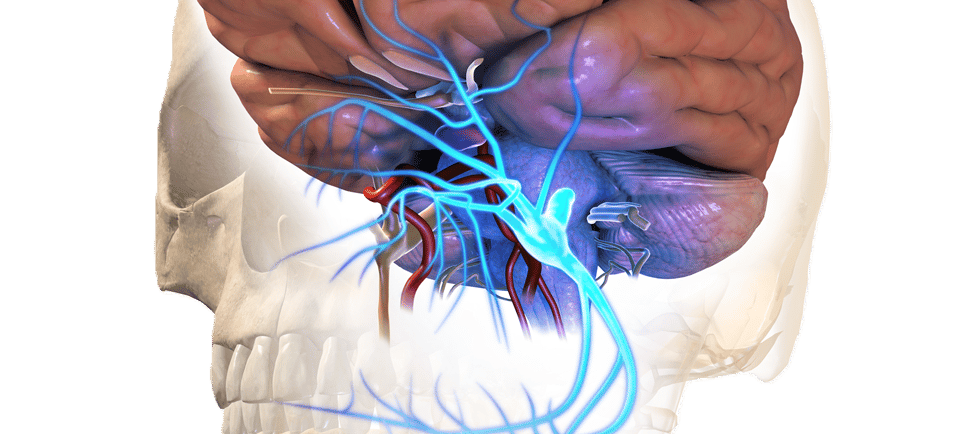
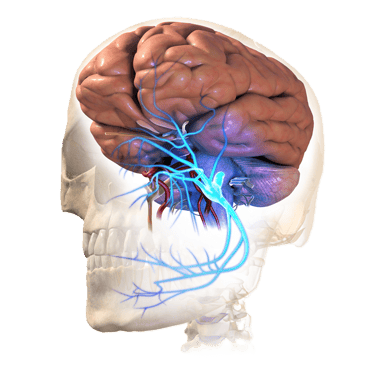
Neuro pathways are key to maintaining cognitive balance well into life. Those same pathways are elemental to coping with chronic pain.
Thomas E Gripp
7/13/20263 min read
When life gets heavy, repetitive, or physically demanding, it’s easy to drop into survival mode. We clock in, we handle the friction, we clock out, and we protect what’s left of our energy. But there’s a massive difference between surviving and living.
In the framework of Iron Bison Resilience, true resilience isn't about standing still and taking a beating; it’s about moving forward, adapting, and continuously tempering the mind. One of the most powerful forging tools we have to stay sharp, resilient, and fully engaged is deceptively simple: Learn two new things every single day.
This isn't just about collecting trivia. It’s a deliberate strategy to protect your brain, upgrade your coping skills, and fundamentally change how you experience physical and mental stress.
1. Challenging the Brain
Your brain is a dynamic network of neural pathways. Think of these pathways like trails through a dense forest. If you walk the exact same path every single day—doing the same routine, thinking the exact same thoughts—that trail becomes heavily rutted, while the rest of the forest grows overgrown and inaccessible.
To keep your brain healthy, you have to break new trails.
How to use the tool: Passive consumption doesn't cut it. Scrolling through social media to read a quick, random fact isn't forging anything.
To keep those neural pathways healthy and adaptable, the learning needs to introduce a little bit of friction. It needs to challenge you.
Active learning means digging into a complex concept you don't instantly understand, practicing a mechanical skill that feels awkward at first, or picking up a new language.
That slight feeling of frustration or mental effort you experience when tackling something new? That is the exact moment neuroplasticity kicks in. Your brain is physically reorganizing itself, building new connections, and reinforcing its structural integrity.
By demanding that your brain master two distinct, challenging tasks a day, you ensure your mental engine never sits idle and rusts.
2. Upgrading Your Tactical Coping Skills
Resilience is ultimately about adaptability. When a crisis hits or plans fall apart, a rigid mind breaks under the pressure. A mind that is constantly forced to learn, however, stays flexible.
When you practice the daily habit of stepping into the unknown—even in small ways, like figuring out how a new piece of technology works or understanding a difficult historical event—you are training yourself to tolerate the discomfort of not knowing the answer.
You are teaching your nervous system that you can handle uncertainty.
When life throws an unexpected curveball, a healthy, well-traveled neural network allows you to assess the situation from multiple angles, pivot quickly, and find creative solutions. You stop reacting purely out of habit and start responding with tactical clarity.
3. Managing Chronic Pain
The benefits of this daily forging tool aren't just mental—they are profoundly physical. For anyone dealing with the grinding, exhausting reality of chronic pain, active learning is a powerful, science-backed management strategy.
Chronic pain operates like a rogue alarm system. Over time, the brain becomes incredibly efficient at sending and processing pain signals, turning the volume up until they dominate your focus.
Active learning changes the game through two main mechanisms:
Cognitive Distraction & Resource Allocation: Your brain has a finite amount of bandwidth. When you immerse yourself in a genuinely challenging task—like learning the mechanics of a new engine or studying a complex piece of music—your brain has to reallocate its energy. It actively dampens the background noise of chronic pain signals to focus on the novelty of the task.
Pathway Competition: By building new, healthy neural pathways through daily learning, you are essentially providing the brain with alternate routes. You are teaching it to process dynamic, engaging inputs rather than focusing entirely on the well-worn pathways of chronic pain.
Over time, this consistent mental tempering can help lower the perceived intensity of pain, giving you back a sense of control over your own body.
The Daily Charge
"Keep living" isn't a passive statement; it’s a verb. It requires action.
Don't wait for inspiration to strike. Choose two things today that force you to lean in, think deeply, and stretch your mind. Build the habit, face the friction, and forge a mind that is too adaptable, too dense, and too resilient to break.
Connect
Join the Iron Bison Herd for support and guidance.
CONTACT:
help@ironbisonresilience.com
913.205.5621
© 2025. All rights reserved.