order, Iron Bison Resilience: A Manual for Tactical Maintenance, now available on amazon
Rust on the Anvil: How Limiting Beliefs Corrode Your Resilience
Inspired by a counselor's presentation at a recent conference, this post identifies specific "limiting beliefs and behaviors" that hinder the effective management of chronic pain. The author compares these negative thought patterns—such as feelings of powerlessness or self-criticism—to rust that corrodes the essential "forging tools" of the Iron Bison Resilience philosophy. Ultimately, the text urges readers to actively recognize and remove these mental barriers to prevent them from damaging the coping skills necessary for survival and recovery.
Thomas E Gripp
4/26/20263 min read
A few months back, I attended a conference focused on multidisciplinary approaches to active shooter incidents. While the tactical focus was sharp, the organizers wisely recognized that every opportunity to provide mental health support to responders is worth the time.
To that end, they brought in a licensed counselor specializing in first responders and law enforcement. During her breakout session, she raised points that hit home for my mission: addressing the mental health aspects of managing chronic pain.
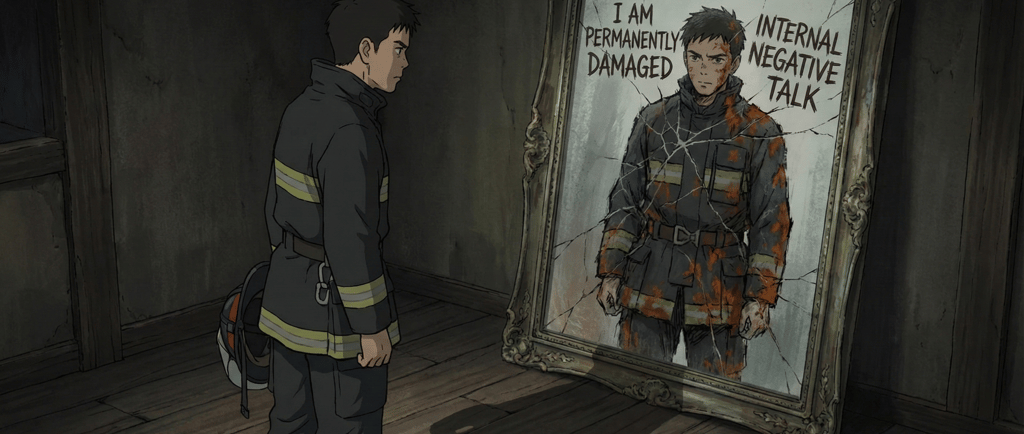
We were provided with a comprehensive list of "limiting beliefs and behaviors.” These are essential negatives—thoughts like "I am not good enough" or "I deserve this". The list included sixty-six specific items, ranging from internal negative talk to giving up on goals and succumbing to addictions.
Since returning, I have studied this list through the lens of Iron Bison Resilience. I’ve identified the specific items that act as "rust" on your resilience-forging tools.
The Corrosion of the Mindset
The following thoughts are in complete opposition to the mindset that the Iron Bison is establishing. They are:
I am permanently damaged.
I deserve this pain
I am weak
I am not in control
I am powerless/helpless.
I cannot let it out
Every tool in the Iron Bison chest is designed to lift the stressful weight of these negative thoughts. Negative self-impressions feed the pain; negativity feeds stress, and stress feeds pain.
In the blacksmith’s shop, corrosion is the enemy. Broken, rusty tools keep the blacksmith from properly forging the iron. Just as rust eats away at metal, these negative actions eat away at your coping skills.
Tactical Maintenance: Identifying the Damage
Within the Iron Bison Resilience framework, specific negative actions cause significantly more damage than others. Watch out for these particular patterns:
1. Disqualifying Positives: When something works or goes well, let it happen and enjoy it. Don't talk yourself out of a win.
2. Magnification: This is making a setback or a bad day have an outsized effect on the perception of your pain. Don’t let one crack break the whole anvil.
3. Criticism & Personalization: Stop creating self-guilt that suggests you warrant this pain. Believing your chronic pain is your fault for actions unrelated to the actual cause is a tactical error.
4. Jumping to Conclusions: Trying to predict the future and assuming the outcome will be a net negative is a waste of energy.
5. Self-Limiting: Do not limit yourself based solely on a chronic condition. If you do this, you might as well burn down the forge yourself.
6. Losing Sight of Goals: Chronic pain can feel like a mountain, with your goals on the far side. But by forging the right tools, you can trek over that mountain and still reach your objectives.
7. Succumbing to Boredom: (The Recliner Trap) This happens when you don’t employ your tools. You get sucked into the recliner, boredom sets in, and it becomes a habit. The solution? Move!
8. Neglecting Yourself: Bottom line — maintain your mental and physical hygiene. This is precisely what Iron Bison Resilience is all about—Tactical Maintenance.
9. Living in the Past: Dwelling on "what was" is a stress-inducing, losing option. Enjoy the memories of what was, but disregard the negative and build a future by adapting.
10. Addictions: Refer to Iron Bison Tool Eight: Don’t apply anything addictive to manage your pain. That is a losing strategy. Exchanging an addiction for chronic pain is failure—because you will still have the pain.
11. Displacement & Projection: Transferring emotions toward pain onto another person or object takes unnecessary energy. You can save that energy for positive pursuits. Projecting negativity onto others is critically damaging to your relationships and adds even more stress.
12. Repression: Swallowing your feelings is dangerous. You must find an intentional way to let go of negative thoughts. A peer support group, a mental health counselor, or a psychologist is a great resource.
Keep the Tools Clean
The list of negative thoughts that feed stress and corrode your coping skills is long. But they share a common characteristic: they are inherently harmful. They are full of "can’ts," "nots," and "should haves.”
Don’t allow the damage to happen. Keep negatives away from your tools and your forge. When those negatives creep up—and they will—wipe them away before the corrosion causes damage that is difficult to repair.
If you would like a more comprehensive list of Limiting Beliefs and Behaviors, feel free to reach out to me at info@ironbisonresilience.com.
Connect
Join the Iron Bison Herd for support and guidance.
CONTACT:
help@ironbisonresilience.com
913.205.5621
© 2025. All rights reserved.