order, Iron Bison Resilience: A Manual for Tactical Maintenance, now available on amazon
Cracks in the Armor: The Unspoken Mental Toll of Chronic Pain in Public Safety
This blog post explores the "corrosive link" between chronic physical pain and mental health in public safety, noting that a culture of invincibility often forces first responders to ignore injuries to avoid being viewed as weak. Iron Bison Resilience argues for redefining strength as "tactical maintenance," urging professionals to treat physical repair as a necessary step to prevent the "rust" of burnout, depression, and anxiety.
Thomas E Gripp
1/11/20263 min read
In this line of work, we are experts at triage. We know how to assess a scene, prioritize threats, and stop the bleeding. But when the threat is internal—a nagging back injury from a patient lift three years ago, or a knee that throbs after every shift on patrol—we tend to do the one thing we would never let a civilian do: we ignore it.
At Iron Bison Resilience, we talk a lot about mental toughness. But there is a massive blind spot in the public safety community that we need to address: The corrosive link between chronic physical pain and mental health.
Why is it that the people responsible for saving lives are often the most reticent to save their own bodies?
The Myth of Being Bulletproof
From the academy onwards, there is an unspoken curriculum that teaches us to be invincible. Firefighters are expected to be fireproof; officers, bulletproof. We wear uniforms that literally and figuratively armor us against the chaos of the world.
This creates a culture where physical durability is synonymous with professional competence. To admit you are hurting is often internalized as a sign that you aren't "cut out" for the job.
The Expectation: You are the one people call on their worst day. You are the pillar of strength.
The Reality: You are human. Your joints wear down, your discs slip, and your ligaments tear.
When we buy into the myth that we must be machines, we stop treating our bodies like biological systems that need repair and start treating them like disposable tools.
The Fear of "Weakness" and the Bench
Why don't we ask for help? It isn't just pride; it’s fear.
In the paramilitary culture of public safety, "light duty" is a four-letter word. There is a profound fear that admitting to chronic pain will result in:
Loss of Identity: Being taken off the truck or the street feels like losing who you are.
Stigma: The worry that peers will view you as "soft," "broken," or a liability to the team.
Career Impact: The fear that a medical file filled with complaints will halt promotions or force an early medical retirement.
So, we suck it up. We take ibuprofen like it's candy, we lose sleep, and we grind through the shift. But the bill always comes due.
The Mental Toll of the Grind
Chronic pain is not just a physical sensation; it is an emotional response. When you are in pain 24/7, your resilience is being drained drop by drop.
Sleep Deprivation: Pain steals your rest. A lack of sleep spikes cortisol and kills your emotional regulation.
Irritability and Withdrawal: Constant discomfort shortens your fuse. You snap at your spouse, you withdraw from your kids, and you isolate yourself from your crew because you don't have the energy to fake being "fine."
Depression and Anxiety: The constant signal of pain to the brain can rewire your neural pathways, leading to genuine depressive episodes and anxiety about the future.
The vicious cycle: Sleep deprivation, stress, and anxiety all contribute to lower pain tolerance, which then feeds the very conditions increasing the pain, and the cycle goes on.
We treat the mental health crisis in first responders as purely a result of trauma and PTSD. We are missing the fact that for many, the depression starts with the back pain that never goes away.
Redefining "Iron"
Resilience—the "Iron" in our name—is not about being brittle. Iron that is too hard shatters under pressure. True resilience is about durability and maintenance.
Asking for help for a physical injury and acknowledging the mental gloom that comes with it is not weakness. It is tactical maintenance.
You wouldn't drive a fire truck with a check engine light on for 50,000 miles.
You wouldn't carry a firearm that jams every third round.
Why are you operating your own body with that level of negligence?
The Way Forward
We need to change the locker room conversation. We need leadership that encourages physical therapy as proactive maintenance, not a punishment. We need to understand that fixing the body is often the first step in healing the mind.
If you are hurting today, reach out. Whether it's a physical therapist, a peer support member, or a mental health professional, start the conversation.
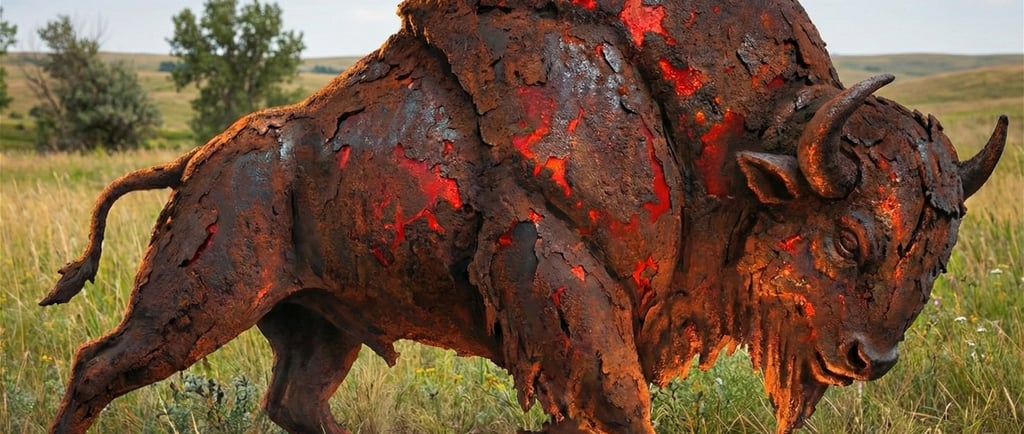
Being an Iron Bison doesn't mean you never get dented. It means you refuse to let the rust take over.
To become part of the Iron Bison Herd Click HERE.
Connect
Join the Iron Bison Herd for support and guidance.
CONTACT:
help@ironbisonresilience.com
913.205.5621
© 2025. All rights reserved.